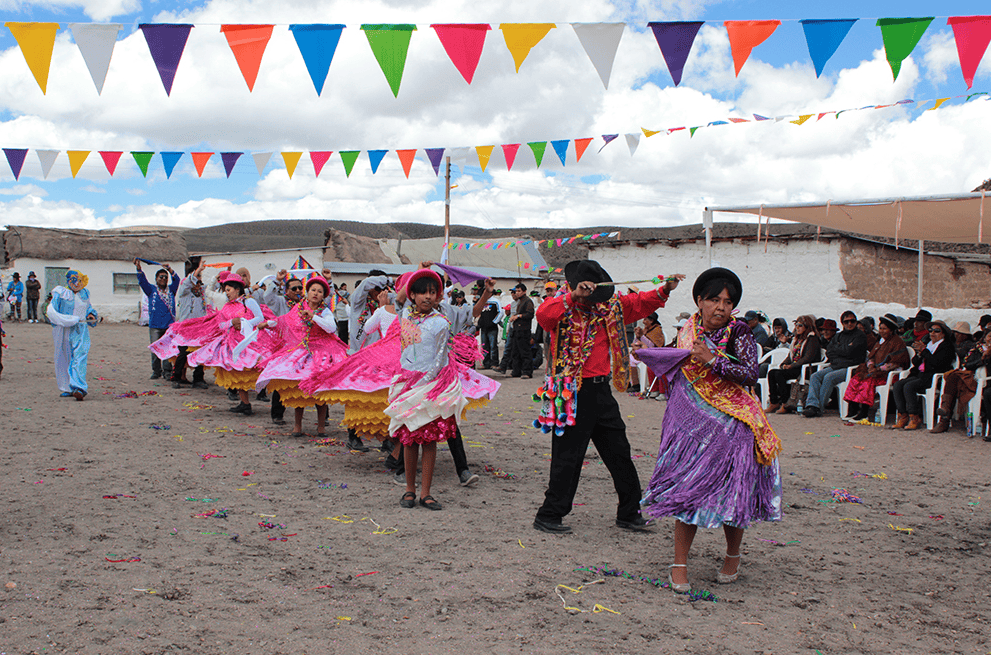
An Altiplano Chile itinerary offers something very different from the classic Atacama Desert route. While most international travelers head south, this northern highland region remains one of Chile’s most authentic and least explored landscapes. Choosing an Altiplano Chile itinerary means slower travel, gradual altitude adaptation, remote villages, salt flats, hot springs, wildlife reserves and some of the most dramatic Andean scenery in South America. It is not about ticking boxes — it is about immersion. If you are looking for a deeper, more meaningful northern Chile experience, this Altiplano Chile itinerary through Lauca, Surire and Isluga offers a powerful alternative.
Why Choose an Altiplano Chile Itinerary Instead of the Classic Atacama Route?
The Atacama Desert is world famous. The Chilean Altiplano is quieter, higher and wilder. An Altiplano Chile itinerary allows you to:
- Experience extreme high-altitude ecosystems
- Explore less-visited national parks
- Discover Aymara culture and traditional villages
- Travel through landscapes that change from desert valleys to volcanic plateaus
Unlike busier destinations, this region rewards travelers who move slowly and respect altitude conditions. It is ideal for photographers, road trip enthusiasts, wildlife observers and travelers seeking authentic Andean environments.
Day 1: From Arica to Putre — Gradual Ascent into the Andes
A well-designed Altiplano Chile itinerary begins at sea level in Arica and ascends progressively into the Andes. The route passes through the fertile Azapa Valley, known for its geoglyphs and archaeological heritage. Continuing through the Lluta Valley, travelers encounter desert landscapes dotted with giant candelabra cacti and historical sites such as Pukara de Copaquilla. Lunch in Zapahuira marks a natural midpoint before reaching the Andean village of Putre (3,500 meters above sea level). Spending the night in Putre is highly recommended in any serious Altiplano Chile itinerary, as gradual acclimatization significantly improves the overall experience. Putre also offers access to small mountain lodges and locally run accommodations that reflect the cultural character of the highlands — an excellent base for exploring the surrounding protected areas.
Day 2: Lauca National Park and Chungará Lake — The Heart of the Altiplano
No Altiplano Chile itinerary is complete without entering Lauca National Park, one of Chile’s most spectacular high-altitude protected areas. The day begins with wildlife observation and short walks in the Las Cuevas sector, allowing visitors to adapt slowly while enjoying high-Andean flora and fauna. Continuing toward the Chucuyo viewpoint, the vastness of the Altiplano becomes fully visible. The village of Parinacota offers a glimpse into traditional Andean life before reaching the Cotacotani Lagoons and the iconic Chungará Lake (4,500 meters above sea level). The volcanic backdrop and expansive silence define the essence of any Altiplano Chile itinerary. After exploring the lake area, travelers may continue toward the Jurasi hot springs, where geothermal waters provide a relaxing contrast to the cold mountain air before returning to Putre.
Day 3: Salar de Surire and the Remote Beauty of Northern Chile
An extended Altiplano Chile itinerary naturally includes the Reserva Nacional Las Vicuñas and the Salar de Surire. Passing through high-altitude villages such as Ancuta and Guallatire, the road leads to the vast salt flat of Surire (4,200 meters above sea level). The landscape is wide, silent and otherworldly. Short walks, panoramic photography and wildlife observation characterize this section of the Altiplano Chile itinerary. The nearby Polloquere hot springs offer a unique geothermal setting surrounded by open plateau. Crossing into Isluga National Park and passing through traditional villages such as Enquelga and Isluga, the journey continues toward Colchane, where small guesthouses provide accommodation in a remote Andean setting.
Day 4: From the Highlands to the Desert — Cultural Landscapes and History
The final stage of this Altiplano Chile itinerary descends from the high plateau toward the desert lowlands. Along the route, travelers encounter giant cacti reaching up to five meters in height and visit villages such as Cariquima. The geoglyph known as the Gigante de Atacama stands as a powerful reminder of the region’s ancestral heritage. Further south, the historic saltpeter town of Humberstone reflects Chile’s industrial past before reaching Iquique or returning to Arica.
Who Is This Altiplano Chile Itinerary Perfect For?
This Altiplano Chile itinerary is ideal for travelers seeking:
- Multi-day high-altitude exploration
- Scenic road trips
- Cultural immersion in Aymara communities
- Wildlife observation in protected areas
- A quieter alternative to more crowded Chilean destinations
It is particularly suitable for visitors who appreciate gradual travel and meaningful landscape experiences.
Best Time to Follow This Altiplano Chile Itinerary
The dry season (April to November) generally offers clearer skies and stable conditions, making it ideal for photography and long-distance views. The summer months (December to March) bring occasional highland rains, adding dramatic cloud formations and seasonal changes to the scenery. Regardless of season, proper acclimatization, hydration and sun protection are essential for any Altiplano Chile itinerary.
A Different Perspective on Northern Chile
An Altiplano Chile itinerary reveals a side of Chile that many travelers overlook. It connects coastal valleys with volcanic landscapes, salt flats with hot springs, and ancestral villages with vast protected ecosystems. For those willing to travel slowly and respectfully, the Altiplano offers one of South America’s most powerful and authentic high-Andean experiences.